
CHOT: Children Home Tathali
Obiettivi
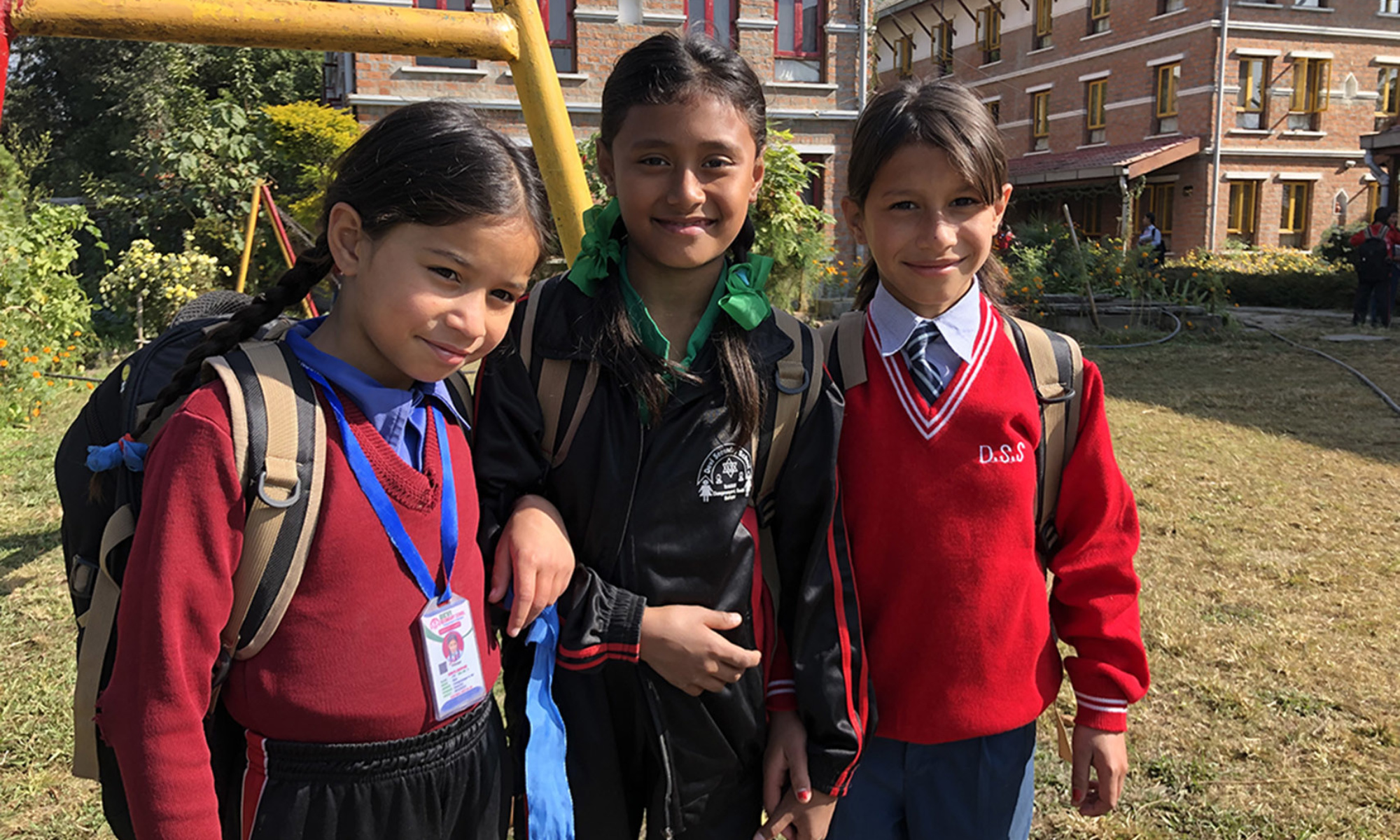
In risposta al crescente numero di orfani e bambini abbandonati generati dalla guerra civile e dalla povertà, Kam For Sud ha deciso di realizzare una struttura permanente per bambini senza famiglia nella valle di Kathmandu. L’obiettivo principale è quello di assicurare a un centinaio di bambini tra i più sfortunati un quadro di vita stabile, un contesto affettivo sano, l’accesso alla scolarizzazione e un accompagnamento fino all’indipendenza o alla maggiore età. Desiderando offrire ai bambini un ambiente di tipo familiare, è stata progettata la costruzione di più case, governate ognuna da una coppia di nepalesi quale figura genitoriale di riferimento, e ospitanti una ventina di bambini ciascuna. In fase finale sono previste 5 case di questo tipo. La scelta di un ambiente rurale ha per scopo di poter sfruttare il terreno agricolo circostante per una produzione biologica (campicoltura e allevamento).
Il sito
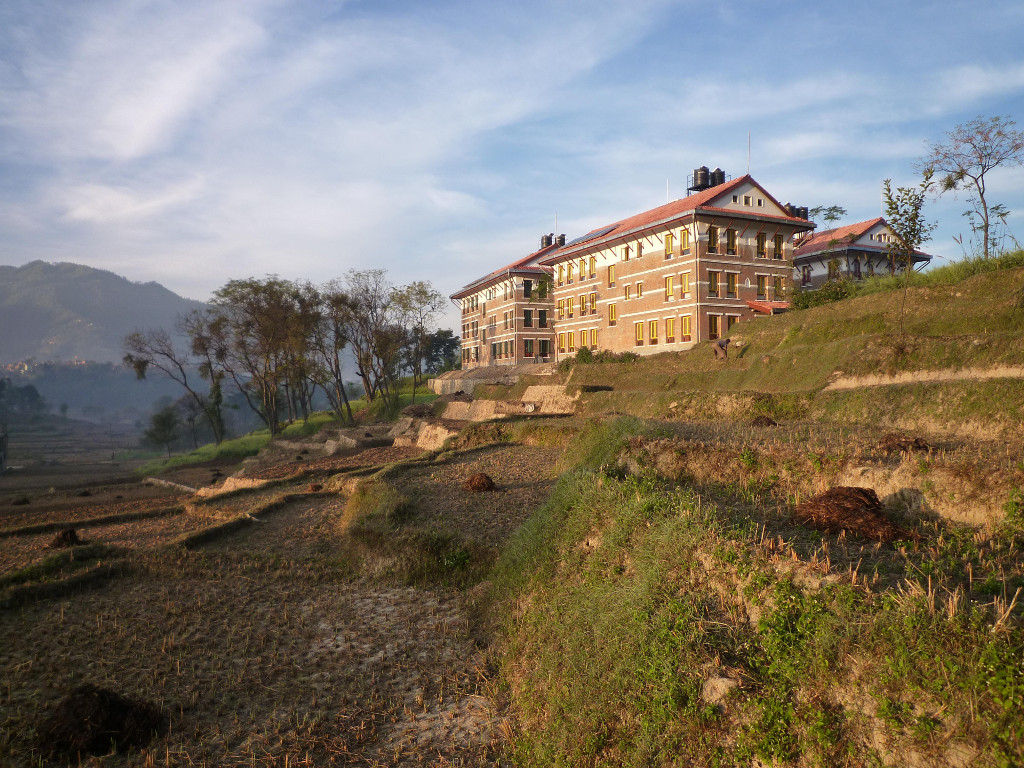
Nel 2006 un terreno di 10’000 mq è stato acquistato a 3 Km a est della città di Bhaktapur. Il sito si trova in un contesto magnifico e di facile accesso, è costituito da una collina con una grande superficie di terreno agricolo terrazzato, una piccola zona boscosa e un accesso diretto a un ruscello. Nelle immediate vicinanze si trovano alcuni villaggi e una scuola elementare. A Bhaktapur si trovano pure un ospedale, commerci d’ogni tipo e le scuole superiori.
Descrizione del progetto architettonico
Ispirandosi al contesto tradizionale, il progetto ha previsto l’edificazione delle case sulla sommità della collina, così da permettere un utilizzo ottimale del terreno terrazzato per le colture.
Il concetto architettonico è stato elaborato in collaborazione con un ufficio d’architettura di Kathmandu e la costruzione è iniziata nel 2008. Il linguaggio architettonico degli edifici è ispirato allo stile degli edifici tradizionali circostanti, seppur rispettando i bisogni specifici per quanto riguarda un livello minimo di comfort.
Le linee direttive della costruzione sono:
- costruzione ecologica (modello imitabile nella la valle di Kathmandu);
- sicurezza strutturale (costruzione resistente ai terremoti);
- economia e comfort (nessun lusso inutile ma buona qualità degli spazi e della costruzione);
- durevolezza e facilità di manutenzione;
- buon inserimento nel contesto (territorio edificato, ambiente naturale e contesto socio-culturale).
Il particolare impegno dedicato alla costruzione di una struttura che sia anche ecologicamente equilibrata ha permesso di realizzare per la prima volta in Nepal un complesso nel quale convergono conoscenze e tecniche che esistevano separatamente nel paese, ma che non erano mai state riunite in un unico concetto globale. In breve: impiego di mattoni e materiali a basso impatto ambientale, raccolta dell’acqua piovana in una cisterna sotterranea per l’irrigazione durante la stagione arida, purificazione delle acque luride mediante lagunaggio a Phragmites australis (cannuccia di palude) e successivo riutilizzo dell’acqua per l’irrigazione, produzione di biogas a partire dai rifiuti organici solidi, impiego di forni solari, produzione di energia elettrica fotovoltaica per l’illuminazione e il pompaggio dell’acqua, e produzione dell’acqua calda sanitaria mediante energia solare diretta.
Ogni casa è composta da: una cucina, una sala da pranzo, una sala giochi, un ufficio, una toilette, due camere da letto grandi, due bagni con docce, una camera matrimoniale, una sala studio, una sala multiuso, un ripostiglio, una lavanderia e un locale per stendere i panni.
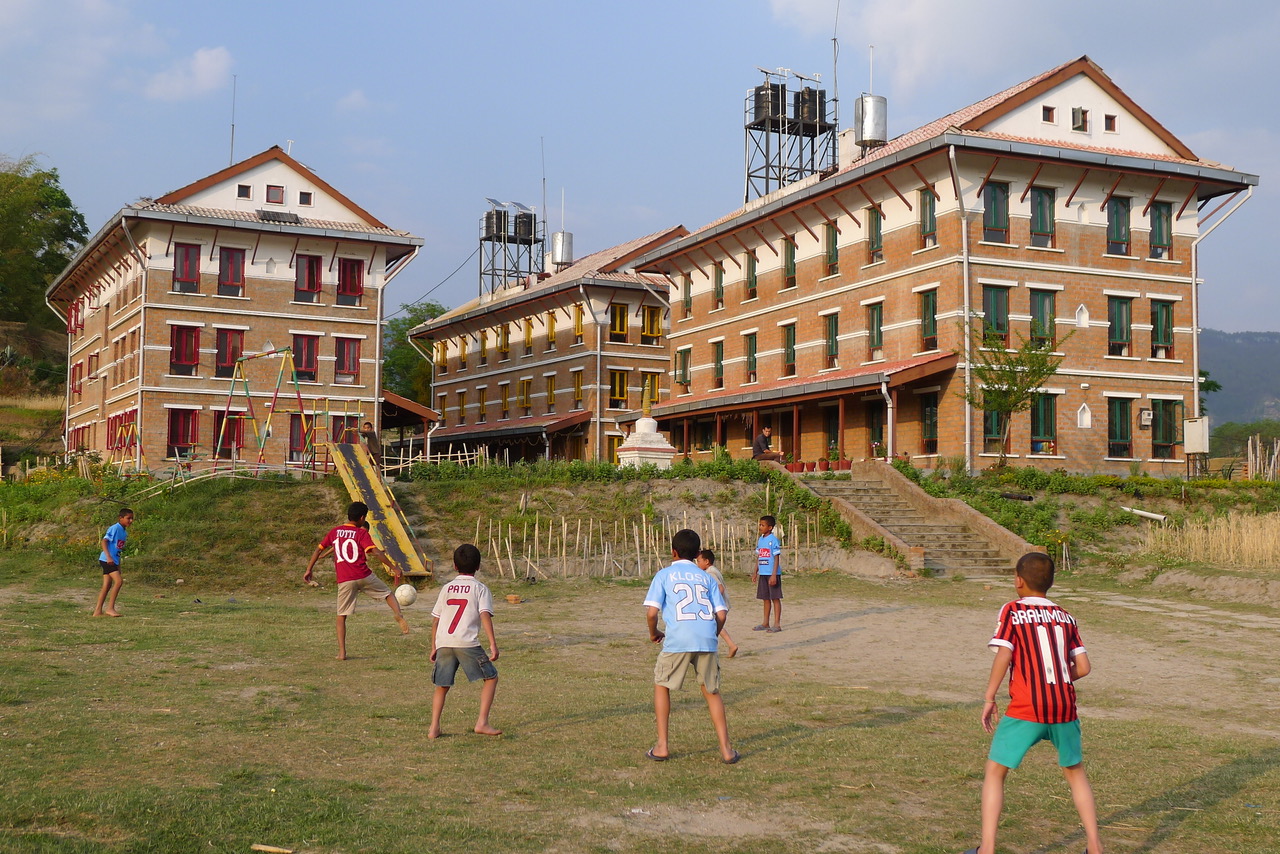


Cliccate sui pallini per vedere alcuni brevi video sulla vita all’orfanotrofio-fattoria.